Industrial dust collector systems are a cornerstone of modern manufacturing environments. As regulatory pressures and sustainability demands continue to rise, companies like Dongguan guangfan Automation Technology Co., LTD (abbreviated as Guangfan Automation) are at the forefront of delivering innovative solutions. One critical factor influencing the effectiveness of these systems is airflow—a variable that directly impacts filtration efficiency, worker safety, and operational costs.
Recent advancements in dust collector technology have put a spotlight on the importance of managing airflow. At Guangfan Automation, engineers and industry experts have dedicated significant resources to optimizing airflow within their dust collector systems. This article explores the key role of airflow and how it relates to other essential elements, such as HEPA filter performance and overall industrial ventilation strategies.
Airflow refers to the movement of air through the ductwork, filtration media, and exhaust outlets of a dust collector system. The volume, velocity, and direction of airflow determine how efficiently dust particles are captured and filtered. Inadequate airflow can lead to filter clogging, reduced collection efficiency, and even hazardous working conditions.
Guangfan Automation’s latest dust collector models utilize advanced sensors and control systems to monitor and regulate airflow in real time. This ensures that dust is effectively captured at the source, minimizing emissions and maintaining compliance with environmental standards. Proper airflow management also prolongs the lifespan of critical components, reducing maintenance costs for manufacturers.
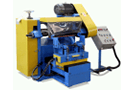
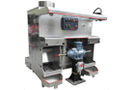
cyclone tower water type dust collector for polishing machine
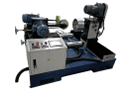
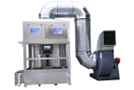
industrial indoor wet dust collector for grinding machine
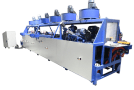
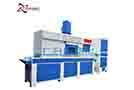
用于集尘的不锈钢湿式集尘器
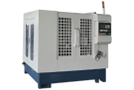
wet dust collector for polishing buffing machine
One of the most significant trends in industrial dust collection is the integration of HEPA filters. These high-efficiency particulate air filters are capable of trapping particles as small as 0.3 microns, making them ideal for environments where air purity is paramount. However, HEPA filters require precise airflow management to function effectively.
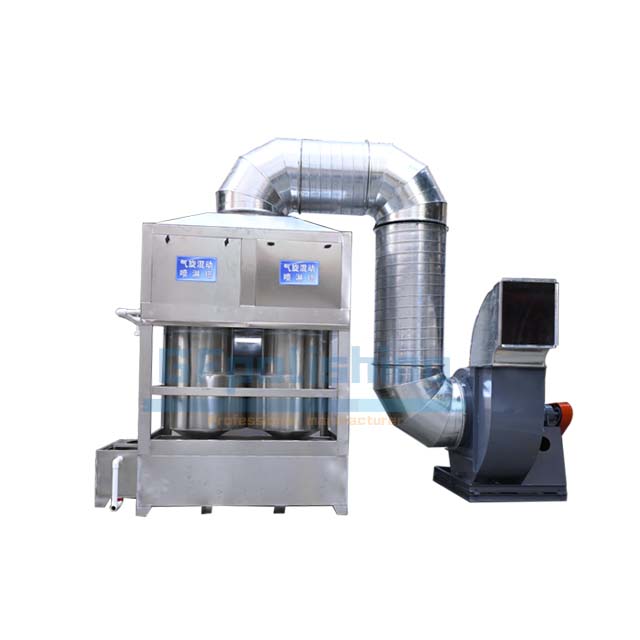
Guangfan Automation has developed proprietary airflow balancing technology that ensures HEPA filters receive consistent and adequate air volume. This not only improves filtration performance but also prevents pressure drop issues that can compromise system efficiency. The company’s commitment to integrating HEPA filters is a testament to its dedication to advancing air quality standards in the manufacturing sector.
Effective dust collection is not solely about filtration; it’s also about comprehensive industrial ventilation. Guangfan Automation collaborates with facility managers to design tailored ventilation systems that complement dust collector performance. By analyzing airflow patterns throughout the workspace, the company ensures that contaminants are removed efficiently and that fresh air is circulated to all critical areas.
Industry experts agree that a holistic approach to industrial ventilation can boost productivity, reduce absenteeism, and create a safer environment for workers. Guangfan Automation’s solutions incorporate modular ductwork, energy-efficient fans, and smart control panels, enabling clients to adapt their systems as production needs evolve.
The dust collection industry is rapidly embracing automation and smart monitoring technologies. Guangfan Automation has positioned itself as a leader in this space by integrating IoT-enabled sensors and cloud-based analytics into its products. These innovations allow for continuous airflow monitoring, predictive maintenance, and remote troubleshooting—capabilities that are increasingly demanded by manufacturers seeking to minimize downtime.
Furthermore, the rise of Industry 4.0 has spurred a shift toward interconnected systems. Dust collectors are now often linked with other industrial ventilation components, creating a unified network that can respond dynamically to changes in production volume, material type, and environmental conditions.
Guangfan Automation recently partnered with a leading electronics manufacturer in Dongguan to upgrade their dust collector systems. The project focused on optimizing airflow to address the unique challenges of fine particulate matter generated during circuit board assembly. By deploying variable-speed fans and real-time airflow sensors, the company was able to reduce airborne dust levels by 60%, enhance HEPA filter longevity, and lower energy consumption by 15%.
This case study underscores how targeted airflow management can deliver tangible benefits in terms of compliance, operational efficiency, and worker health. It also highlights the importance of selecting dust collector systems designed for the specific needs of each industry segment.
As industries continue to evolve, the role of airflow in dust collector system performance will only grow in importance. Guangfan Automation’s commitment to innovation, quality, and customer collaboration positions it as a trusted partner for manufacturers seeking to enhance air quality and operational efficiency. By leveraging advanced technologies and industry expertise, the company is driving the future of industrial ventilation and dust collection.
For more insights, news, and updates on dust collector systems, airflow optimization, HEPA filters, and industrial ventilation, stay tuned to Guangfan Automation’s latest news page.
| Key Takeaways | Guangfan Automation Solutions |
|---|---|
| Airflow is critical for dust collector efficiency and safety. | Smart airflow control systems and real-time monitoring. |
| HEPA filters require precise airflow management. | Proprietary balancing technology for optimal filter performance. |
| Industrial ventilation enhances overall air quality. | Custom ventilation design and modular solutions. |
| Automation and IoT are shaping the future of dust collection. | IoT-enabled sensors, predictive maintenance, and cloud analytics. |
Contact Guangfan Automation for expert advice and custom solutions for your industrial dust collection and airflow management needs.


 简体中文
简体中文  English
  العربية
  Français
  Español
  Русский
  Português
  Deutsch
  Ελληνικά
  Tiếng Việt
  Türkçe
  한국어
한국어